
Making a Difference
Impact That's Baked Into How We Operate
Ten years of running trips through the same villages means the impact of tourism — waste, infrastructure strain, seasonal economic dependence — isn't abstract to us. These are the ongoing programs our guide teams and office run alongside every booked trip.
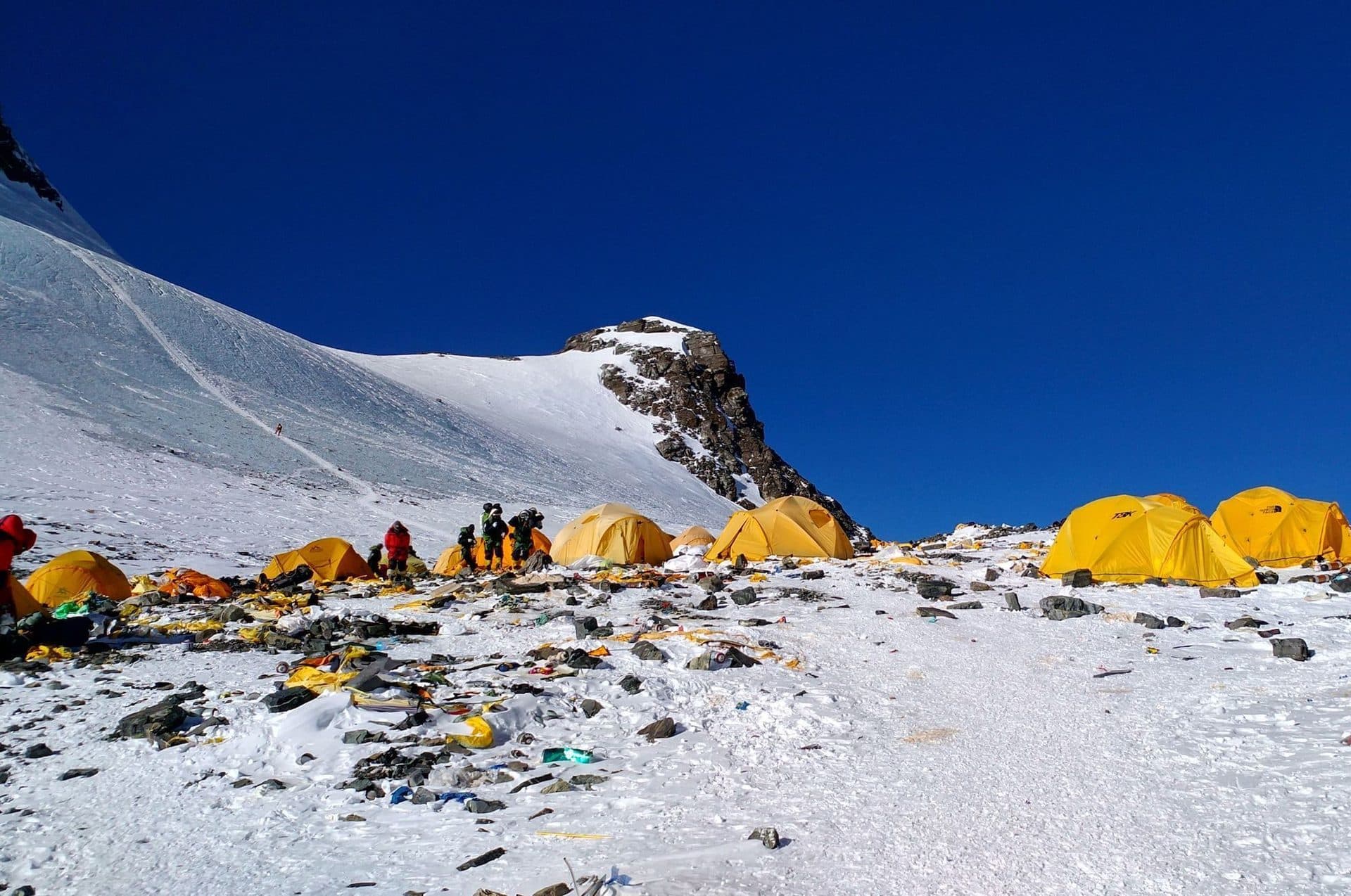
Project The Dirty Diamond
Mount Everest is a global symbol of adventure — but its slopes are burdened with waste. Project Dirty Diamond tackles this by pairing specially trained paragliding pilots, who descend from South Col with 80–100 kg of mixed waste per flight, with support teams who carry down 30 kg each from Camps I–III. All waste is handed over to the Sagarmatha Pollution Control Committee (SPCC) in Gorakshep for segregation, recycling and processing. Pilots and support teams complete a three-level annual training program in the Khumbu region — around 15 paraglide pilots and 15 support members each season — inspired by Lakpa Tsheri Sherpa, who set the world record for highest free flight (8,865m) after summiting Everest five times. Beyond the 10+ tons collected each climbing season, the project promotes reduce-reuse-recycle practices, raises awareness of microplastic pollution in the Khumbu, and is working toward a 50% reduction in plastic and nylon use on expedition routes over five years.
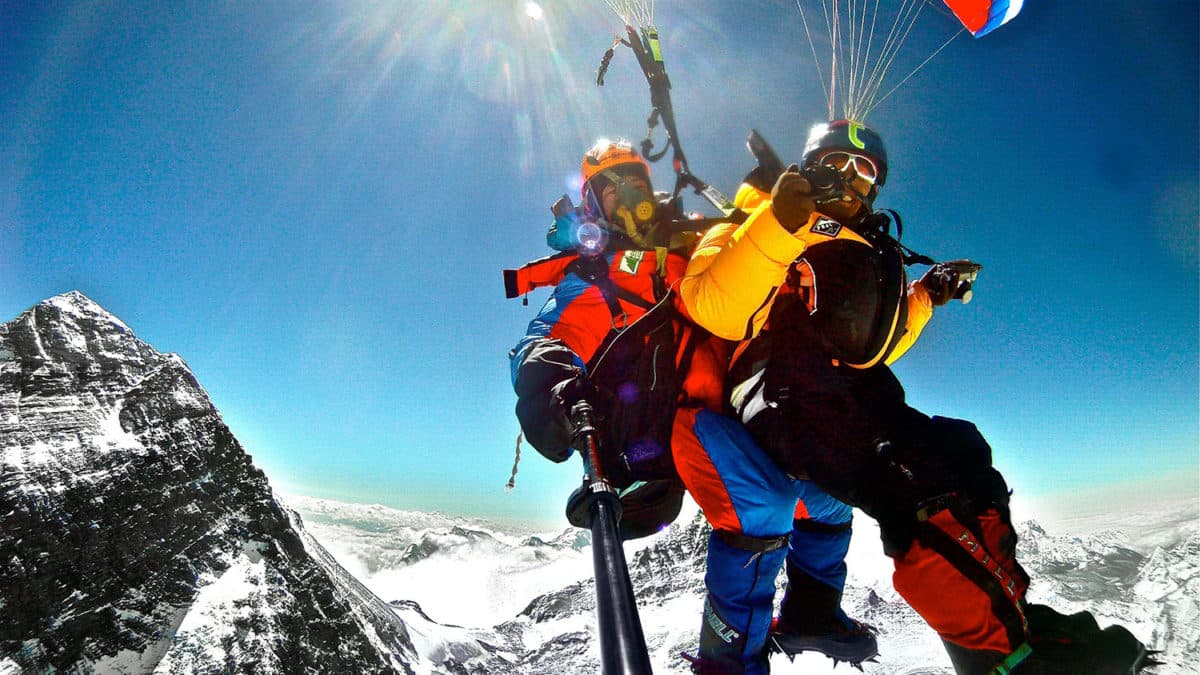
Mt. Everest Waste Collection Project (South Col / Camp IV)
This project, run by the Himanshu Sustainable Tourism Development Foundation (HSTDF), targets the route from South Col (Camp IV, 7,906m) down to Gorak Shep (5,140m). A 15-member cleanup expedition team descends from Camp IV to Base Camp, collecting waste from Camps III, II and I along the way — each member carrying around 30kg, for roughly 10 tons of mixed waste per climbing season (March–April) — before handover to the SPCC for processing and recycling. HSTDF coordinates the effort across government and international partners, trekking and expedition agencies, NGOs and civil society, and — at the grassroots level — community mobilizers, mothers' and youth groups, and village schools. Activities include an annual 15-day training for paragliding pilots (trained to descend ~20 minutes with up to 100kg of waste), safety drills for waste handling at altitude, and awareness campaigns targeting a 50% reduction in plastic and nylon use on Everest's climbing and trekking routes over five years.
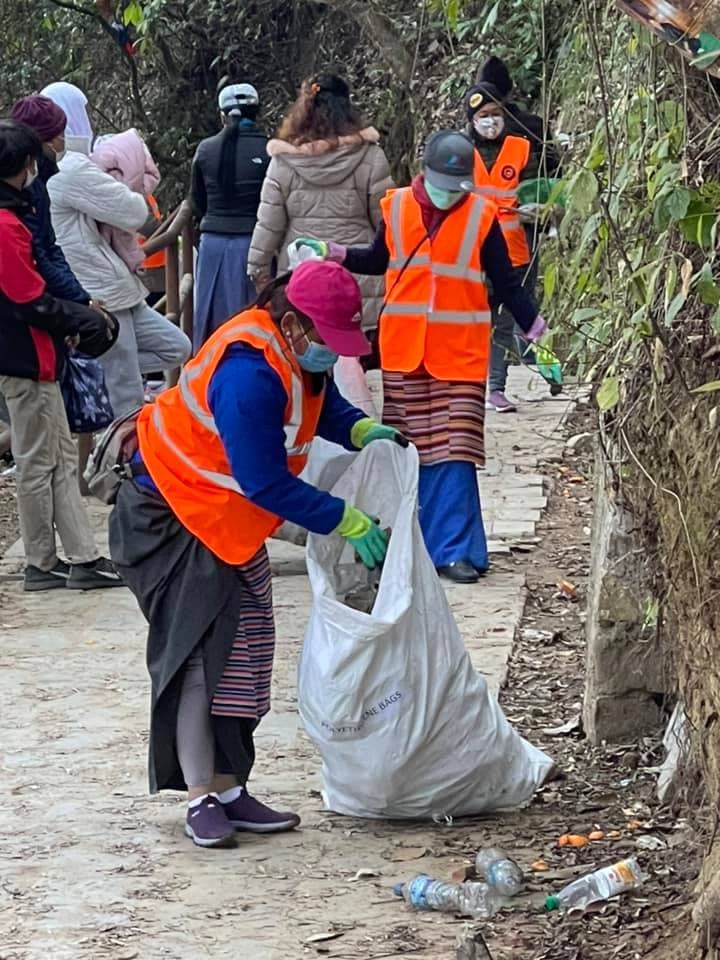
Municipality Solid Waste Management Project
Nepal generates an estimated 3,023 tons of municipal solid waste a day (ADB, 2013 baseline) across 270 municipalities, most of it still handled by open dumping and untreated landfilling. Under Nepal's Solid Waste Management Act, 2011, municipalities are responsible for collection, treatment and disposal, and are mandated to promote reduce-reuse-recycle (3R) practices including source segregation. HSTDF's project assesses waste generation and composition in Panchkhal Municipality — per-capita household waste, institutional and commercial waste, current segregation and disposal practices, and financial/human resource allocation — to recommend policy improvements. Objectives include promoting an 80% reduction in waste volume sent to landfill, encouraging separate bins for biodegradable, non-biodegradable, plastic and electronic waste, and building community-wide adoption of segregation and 3R practices to reduce open burning, methane emissions and microplastic pollution.