Days
16 Days
Arrival City
Kathmandu
Departure City
Kathmandu
Best Season
May to September
Max Altitude
5,200m
Walking Distance
1,844 km
Accommodation
3 Star Hotel
Transportation
Private Tourist Vehicle
Difficulty
Moderate
Group Size
2 - 16
A Lhasa Neykor tour is a sacred pilgrimage journey to Lhasa, Tibet, focused on performing neykor (holy circuit circumambulation) and visits to revered Buddhist monasteries and shrines
Lhasa, the major hub of Tibet, is the holy abode of the Dalai Lamas and is the city filled with full of myths and mysteries. There are plethora of esteemed historical and cultural spots which portrays fascinating quaint Tibetan sculpture, painting, arts and wood works Potato Palace(Winter Palace), Nobulingka(Summer Palace), Drepung Monastery, Sera Monastery, Ganden Monastery, Tashilhunpo Monastery, and Jokhang Temple are a few of the most revered and historical monuments to take a look at during the Tibet trip.
📍 Kathmandu ➔ Gyirong ➔ Lhatse ➔ Gyangtse ➔ Samye ➔ Lhasa ➔ Gyirong ➔ Kathmandu
Scenic mountain zig zag road, snow caped mountain and river side road After early breakfast, you’ll drive to Rasuwagadi (1950m/ 6-7 hrs) along through scenic Trishuli River and criss cross mountain road with some off road near to border side. After 6 Hours of drive we reach to Nepal/China Border. After completing immigration formalities, you will meet your Chinese guide and transfer to your bus for the onward journey into Tibet. Continue driving through high mountain landscapes until you reach Kyirung (2,800m). Upon arrival, check into your hotel and take time to rest. Stay overnight in Kyirong.
-Spiritual Heritage of Milarepa: Dakar Taktso, Meditation caves and birthplace of Mileripa, full day acclimatization After breakfast you will drive to visit Milarepa meditation caves called Drakar Taktso. Milarepa (1052–1135) is a seminal Tibetan yogi and poet whose spiritual heritage is centered on his dramatic transformation from a sorcerer to an enlightened master. His life focuses on detachment, solitary meditation in Himalayan caves (Drakar Taktso), and the realization of emptiness. Drakar Taso (White Rock Horse Tooth) Caves is one of the most important, long-term meditation retreats of Milarepa. After you'll visit birthplace of Yogi Milarepa. Milarepa was born in Kya Ngatsa (also spelled Kyangatsa) in the Gungthang province of Western Tibet. There you'll visit memorial stupa which is situated near his birthplace, where he spent many years practicing intensive, solitary meditation. Evening if time permit you'll visit Pakba Monastery (Phaba/Phakpa Lhakhang), which is built, in the 7th century (approx. 1,300+ years ago) by King Songtsan Gampo to commemorate his marriage to the Nepalese Princess Bhrikuti. It is noted for its unique Nepali-style architecture, with four stories of wooden pavilion structures. Jowo Rabten Monastery (Dzonga Choede) monastery which have an ancient statue of Buddha brought from Nepal in the 8th century. Stay overnight in Kyirong City
-Gyatso La (5220 m) with the spectacular view of Mt Everest, Mt. Cho Oyu, Mt. Shisapangama etc, Crystalline Pekutso Lake (4600m) After breakfast in hotel you’ll drive to Lhatse. The road from Kyirong (Gyirong) to Lhatse is a spectacular, high-altitude journey on the western portion of the Friendship Highway (G318) in Tibet. It offers a dramatic transition from lush Himalayan valleys to the arid, vast Tibetan Plateau, with numerous cultural and natural highlights. As you ascend from Kyirong, You gain views of several 8,000m+ peaks, including Mt. Shishapangma (8,012) and Mt. Cho Oyu (8,201). On the way you'll pass through Pekutso Lake (Peiku Tso): A stunning, expansive turquoise lake located at roughly (4,600). The road passes right alongside it, offering panoramic views of the water against the backdrop of the Shishapangma glacier. Today journey includes crossing high passes, such as the Gyatso La (5,220), offering panoramic vistas of the Mount Everest (8,848). Stay overnight in Lhatse.
- Sakya / Ngor monastery, Tashi Lumpu monastery, Shalu monastery, Kumbum chorten stupa A road trip from Lhatse (4,000m) to Gyantse (4,040m) via Shigatse covers roughly 250 km along the Friendship Highway in the Tibet Autonomous Region. This high-altitude, trans-Himalayan journey highlights stunning glaciers, ancient fortresses, winding mountain passes, and the vast Tibetan plateau. Key stops include touring the massive Tashilhunpo Monastery in Shigatse, exploring the historic Gyantse Dzong and Kumbum chorten Stupa, and driving through the scenic Karo La Glacier. Tashilhunpo Monastery in Shigatse: As the seat of the Panchen Lama and one of the largest functioning monasteries in Tibet, it is renowned for its vast monastic complex and the giant statue of Maitreya Buddha. On the way to Shigatse you'll bring to visit Sakya Monastery and its branch, Ngor Monastery, are pillars of the Sakya school of Tibetan Buddhism, featuring distinct architectural, historical, and artistic highlights. Drive from Shigatse you'll pass through Karo La Glacier: A stunning, accessible glacier located right off the road between Shigatse and Gyantse, featuring dramatic white ice cascading down the mountainside. You'll arrive evening in Gyantse which is a hometown of Kumbum & Palcho Monastery: Known for the 32-meter, 9-level Kumbum Stupa, this "100,000 images" pagoda is a unique masterpiece of Tibetan Buddhist art and architecture. Stay overnight in Gyantse
Visit Druk Ralung monastery and drive to Samye via Gamba La pass, Yamdrok Tso Lake (4440 m). After breakfast you’ll drive to visit Druk Ralung monastery near Gyantse and traveling to Samye via the Gamba La pass and Yamdrok Tso lake (4400m) is a spectacular, high-altitude pilgrimage route through southern Tibet. Ralung Monastery (Druk Ralung), located in the Tsang region of Tibet south of the Karo La Pass at an altitude of 4,740 meters, is a profoundly significant, remote, and historic site for the Drukpa Kagyu lineage of Tibetan Buddhism. It is frequently visited by pilgrims from Bhutan and those interested in the roots of Bhutanese religious history. On the way you’ll drive through Gamba La Pass (5030m) in Tibet, is one of the high-altitude mountain pass, offering one of the best panoramic viewpoints for the holy Yamdrok Lake, features stunning, vibrant views of the turquoise lake against snow-capped peaks. Yamdrok Lake is one of the three most sacred lakes in Tibet, famous for its turquoise waters and stunning views. Stay overnight in Samye.
-Chimpuk Hermitage, Hepori holy After breakfast you'll take to visit the Chim-puk Hermitage (or Chimphu) is a highly sacred complex of meditation caves and small retreat houses located about 8 kilometers northeast of Samye Monastery in the Shannan Prefecture of Tibet, situated on a mountain slope at roughly 4,300 meters. it is a vital site in Tibetan Buddhism where Padmasambhava (Guru Rinpoche) is said to have practiced and taught. This place is also known for Vajrayana Buddhism, and it features roughly 108 caves. After lunch you'll take to visit Hepo Ri (Holy Mountain) Hepo Ri is a prominent, spiritually important mountain located right next to the Samye Monastery complex. In the 8th century, Padmasambhava is said to have subdued local demons on this mountain, a pivotal event that enabled the construction of Samye Monastery and the establishment of Buddhism in Tibet. It is a popular, short hike offering panoramic views of the Samye Monastery complex, the Yarlung Tsangpo River, and the surrounding valley. Stay overnight in Samye.
Samye Kora, Drak Yangdzong, Khangdo Yeshi Tshogyal After breakfast you’ll take to visit The Samye Monastery kora is a sacred 30–40 minute (roughly 1-2 hours) circumambulation circuit around Tibet’s oldest monastery (unique mandala-shaped, 8th-century complex), offering a peaceful, authentic pilgrimage experience. The kora route takes you outside the main monastery walls, passing by small, charming stupas, village homes, and through a scenic, sandy valley. It is a quiet alternative to Lhasa’s bustle, allowing you to walk with local pilgrims, spinning prayer wheels and observing monks and nuns. After you’ll take to visit Drak Yangdzong (or Drakyi Yangdzong) is a highly sacred complex of meditation caves in Dranang County, Tibet, south of Lhasa, renowned as one of the eight principal, solitary meditation sites of Padmasambhava (Guru Rinpoche). The site, located at roughly 4,470 meters altitude near Samye Monastery, is vital to Nyingma tradition, serving as a key place for treasure revelations (terma) and Yamantaka Evening you’ll take to visit Khandro Yeshe Tshogyal (757–817 CE) is revered as the "Mother of Tibetan Buddhism" and the principal consort of Guru Rinpoche (Padmasambhava). While she traveled and meditated throughout the Himalayas, several specific locations in Tibet are highly sacred to her life and legacy:
-Rechung Dorji Drapa cave, Yumbu Lakhang, Tranduk temple, Mindroling monastery After breakfast you’ll take to visit Rechung-Phu, which is a renowned meditation cave associated with Rechung Dorji Drapa (1083–1161), one of the two main disciples of the famous Tibetan yogi Milarepa. Rechungpa, also known as Rechung Dorje Drakpa, used this site for meditation and retreat. He is credited with founding the Rechung Kagyu lineage and bringing special tantric teachings from India. Yumbu Lhakhang, located in the Yarlung Valley near Tsetang, is renowned as the first palace in Tibet (2nd century BC) and the legendary palace of the first king, Nyatri Tsenpo. Perched on a craggy ridge, its main highlights include ancient Tibetan history, profound religious significance, a striking watchtower, and breathtaking panoramic views of the surrounding fertile Tradruk Temple (or Trandruk) in Nedong, Lhoka, is one of Tibet's oldest and most significant 7th-century Buddhist monasteries, founded by King Songtsen Gampo. Located in the Yarlung Valley, it is renowned for its profound history, "demoness-subduing" legend, and a priceless, ancient Thangka painting made from 29,000 pearls. After you’ll move towards Mindroling Monastery, one of the largest and most important Nyingpa monasteries. The monastery had at one time over 100 satellites. In the year after 1959, the monastery suffered damage to its buildings.
-Drak yerpa, Sera monastery, Norbu lingkha After breakfast you’ll drive to visit Drakyeba/Drak Yerpa Monastery: Situated on a cliffside northeast (16km) of Lhasa, it is one of the most significant "holy caves" and meditation sites in the region. It features many small temples built around caves used by important figures like Songtsen Gampo and Padmasambhava, offering a serene atmosphere with spectacular views. After you’ll take to visit Sera Monastery in Lhasa city, founded in 1419, is one of Tibet's "great three" Gelug university monasteries, renowned for its daily, lively monk debates. Located at the base of Tatipu Hill, the main highlights include watching the afternoon debates (3 PM), exploring the Great Assembly Hall (Tsochen) with its detailed scriptures, and seeing the three specialized Buddhist colleges where they teach traditions of Vajrayana, Mahayana, and Sutrayana, the three vehicles of Tibetan Buddhism. Evening you’ll take to visit Norbulingka Summer Palace (Jewel Park): Established in the 8th century, it served as the summer residence for successive Dalai Lamas. Located in Lhasa, it is a UNESCO World Heritage site known for its gardens, the Kalsang Podrang (old palace), and the Takten Migyur Podrang (new palace). It is a center for culture and relaxation, combining Tibetan, Han, and other styles. Stay overnight in Lhasa.
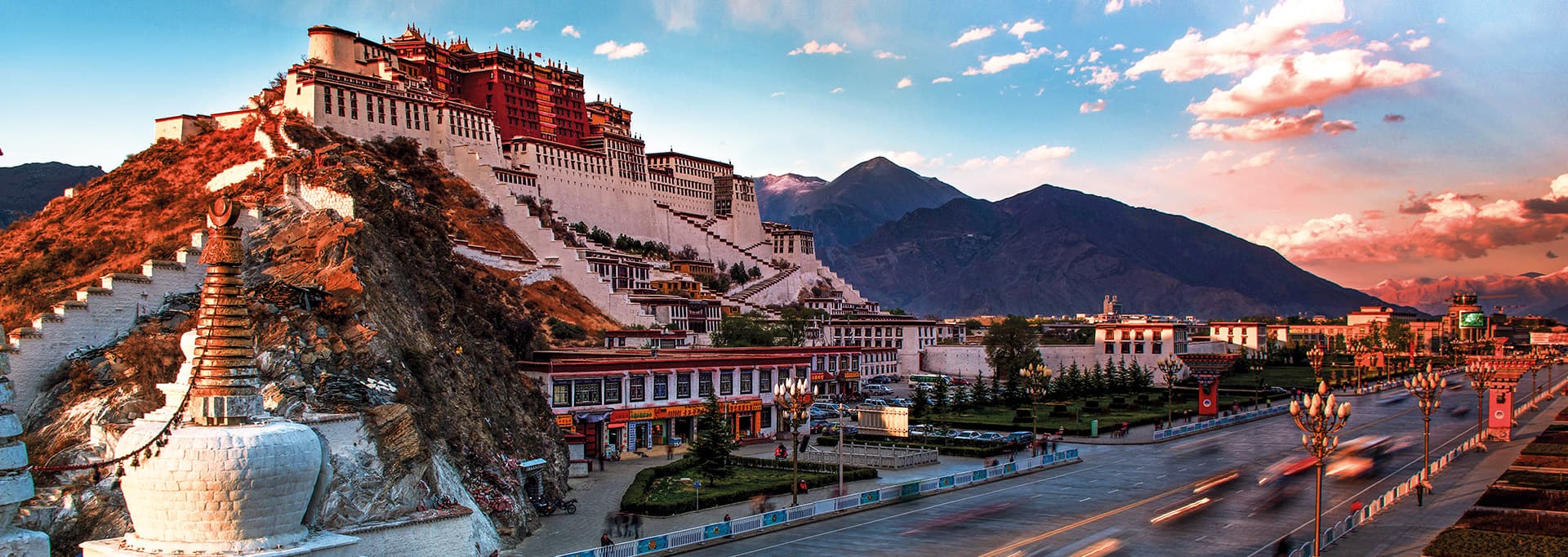
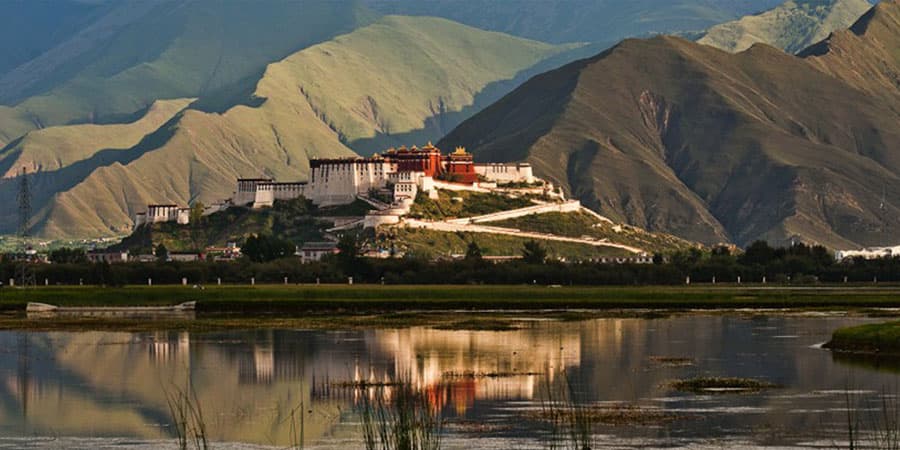
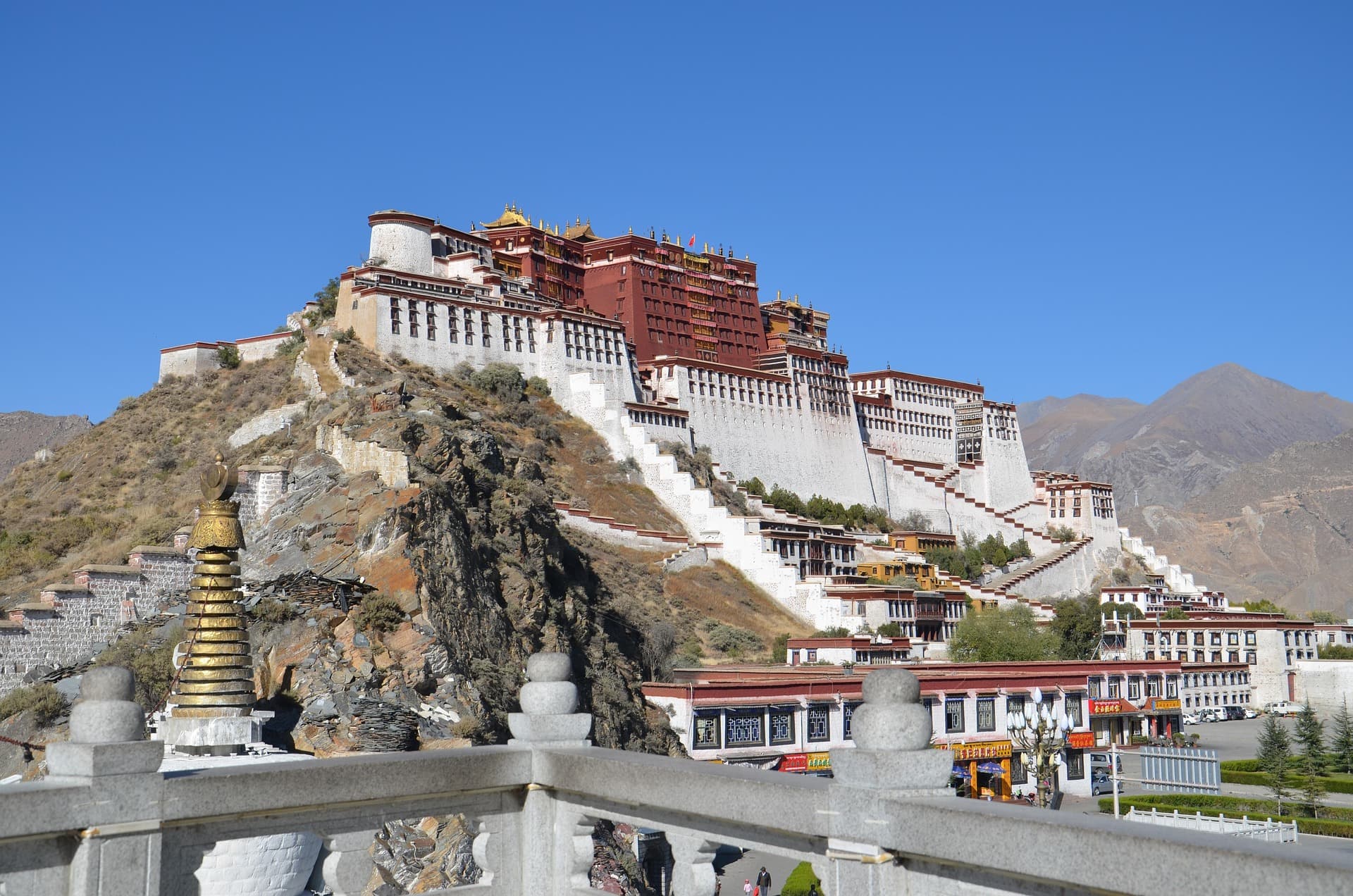
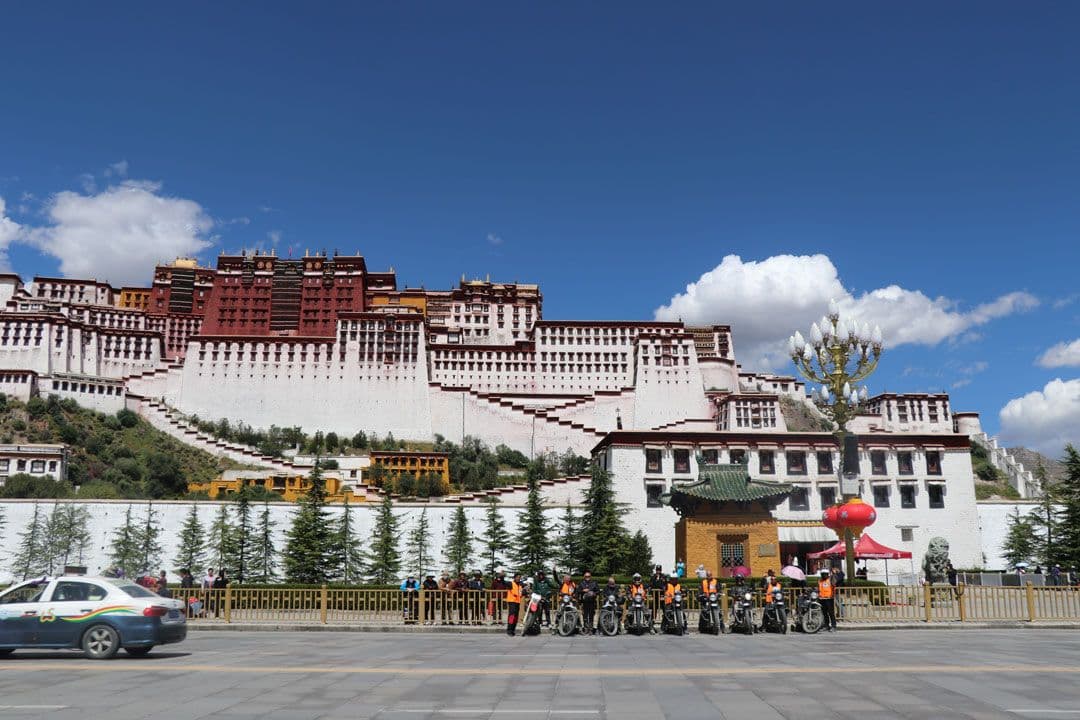
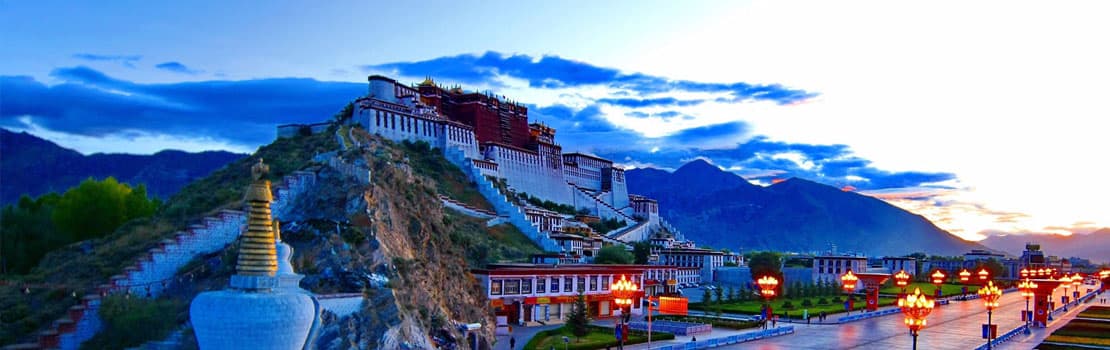
-Potala palace, Barkhor Street, Kora around Jorkhang temple After breakfast you’ll take to explore Potala Palace which is regarded as one of the most beautiful architectural building in the world. You will climb up the palace along the zigzag stone paths with white-and-red walls to the top of the palace where you can not only appreciate the exotic Tibetan-style architecture, but also get a great view of Lhasa’s urban areas, then walk into the inner space of Potala Palace to explore the stately chapels and learn about the history of the palace. In the afternoon, take an easy visit to Jokhang Temple in the center of the Old Lhasa city. Jorkhang temple is the most sacred temple in all over Tibet and it is always bustling with earnest local pilgrims. Evening time you’ll take to do kora around Jorkhang temple which is start from the famous Barkhor Street is a circular and wide street encircling the Jokhang Temple. The local people like to walk on the street for several circles (kora) usually in the late afternoon as a daily tradition of pilgrimage. The street also has many shops selling a wide variety of traditional Tibetan goods, religious items and handcrafts. Stay overnight in Lhasa.
Hike to Shokseb Nunnery, Drak yerpa monastery, Nyenang monastery Morning you’ll take for Hiking to Shugsheb (Shokseb) Nunnery, located 40 minutes from Lhasa, offers a serene 4,430-meter high-altitude experience, highlighting a historic 14th-century Nyingma site, steep hikes to the sacred Gangri Tokar cave hermitage, and breathtaking views of the Lhasa valley. It's a premier destination for combining spiritual meditation, hiking, and exploring nunnery life. After you’ll take to visit Drak Yerpa also known as Druk Yerpa is one of Lhasa's most sacred sites, featuring a "cliff-hanging" monastery and ancient meditation caves frequented by Guru Rinpoche and King Songtsen Gampo. Located 36km northeast of Lhasa, it offers 7th-century temples, stunning mountain panoramas, and a deep, peaceful retreat atmosphere. Evening you’ll take to visit Nyenang Monastery (or Nenang) in Lhasa, Tibet, founded in 1333, is a historic Karma Kagyu institution serving as the seat of the Pawo incarnation lineage. Located in Doilungdeqen, it offers a peaceful, authentic experience with few tourists and serves as a quiet center for practice. Stay overnight in Lhasa
-Tsurphu monastery, Ramoche Temple After early breakfast in hotel you’ll take to visit Tsurphu monastery, which is Located 70km west of Lhasa at 4,300 meters founded 1187. It is the historic seat of the Karmapa branch of Kagyu Tibetan Buddhism. Key highlights include its role as the origin of the "tulku" reincarnation system, the massive annual summer Thangka unfurling festival, and sacred relics like the 16th Karmapa'stan-Chinese architecture After you’ll take to visit Ramoche Temple, a 7th-century, 4,000-square-meter site in northern Lhasa, is regarded as the second most important temple after the Jokhang, acting as a less crowded, authentic alternative to witness Tibetan devotion. Key highlights include the sacred Jowo Mikyo Dorje statue (representing Buddha at age 8) and a unique blend of Tibetan-Chinese architecture. Stay Overnight in Lhasa
-Passing through high altitude scenery road, Spectacular view of the north face of Mt. Everest & Cho oyu. Today you’ll Travel from Lhasa to Tingri (4348m) via Gyantse and Shigatse. It takes you from the bustling, spiritual heart of Tibet through sweeping, high-altitude desert plains, past colossal Himalayan glaciers, and into the shadow of the world's highest peak. You’lll pass by Kampala (4794m) pass on the way from Lhasa to Shigatse, passing through Yamdrok Lake. Later we will pass and enjoy the Karola Glacier on the roadside. By the evening we arrived at Tingri. It offers sweeping, unobstructed views of the north face of Mount Everest and Mt. Cho Oyu on clear days. Stay overnight Tingri.
-Dramatic journey descending from the high Tibetan Plateau to lush boarder valley. After seeing sunrise in the north face of Mt. Everest and Mt. Cho Oyu you’ll travel the overland route to Kyirong (approx. 250 km) takes you through dramatic altitude changes and awe-inspiring landscapes. The 5 to 6-hour drive drops you from the arid, high-altitude Tibetan Plateau (around 4,300m) through breathtaking mountain passes into the lush, emerald valleys of the border region. The views along the road are stupendous. In clear days, you can see the clear face of Shishapangma Peak and enjoy the beautiful view of Pekutso Lake. Stay overnight in Kyirong
-After complete immigration and custom service in China-Nepal boarder, we meet our office assistant and transfer to Nepal side Today, you will leave the territory of Tibet. Drive about 25km to the Gyirong Port where you will walk across the custom to Nepal territory and transfer to Kathmandu. Though the distance is only about 160km, it takes more than 6 hours to drive to Kathmandu from Gyirong Port because the road is narrow and bumpy. Stay overnight in Kathmandu
This trip runs on a customizable, on-request basis — choose your own start date and we'll build the group and logistics around it.
📍 Kathmandu ➔ Gyirong ➔ Lhatse ➔ Gyangtse ➔ Samye ➔ Lhasa ➔ Gyirong ➔ Kathmandu
Every itinerary can be adjusted for extra acclimatization days, private departures, or combining with another region. Mention it in your enquiry and we'll rework the day-by-day plan accordingly.
Replies within 24 hours · No spam, ever