Travel Guides
Nepal Travel Guide: Where Adventure Meets Spiritual Serenity
Himanshu Travels · September 7, 2026
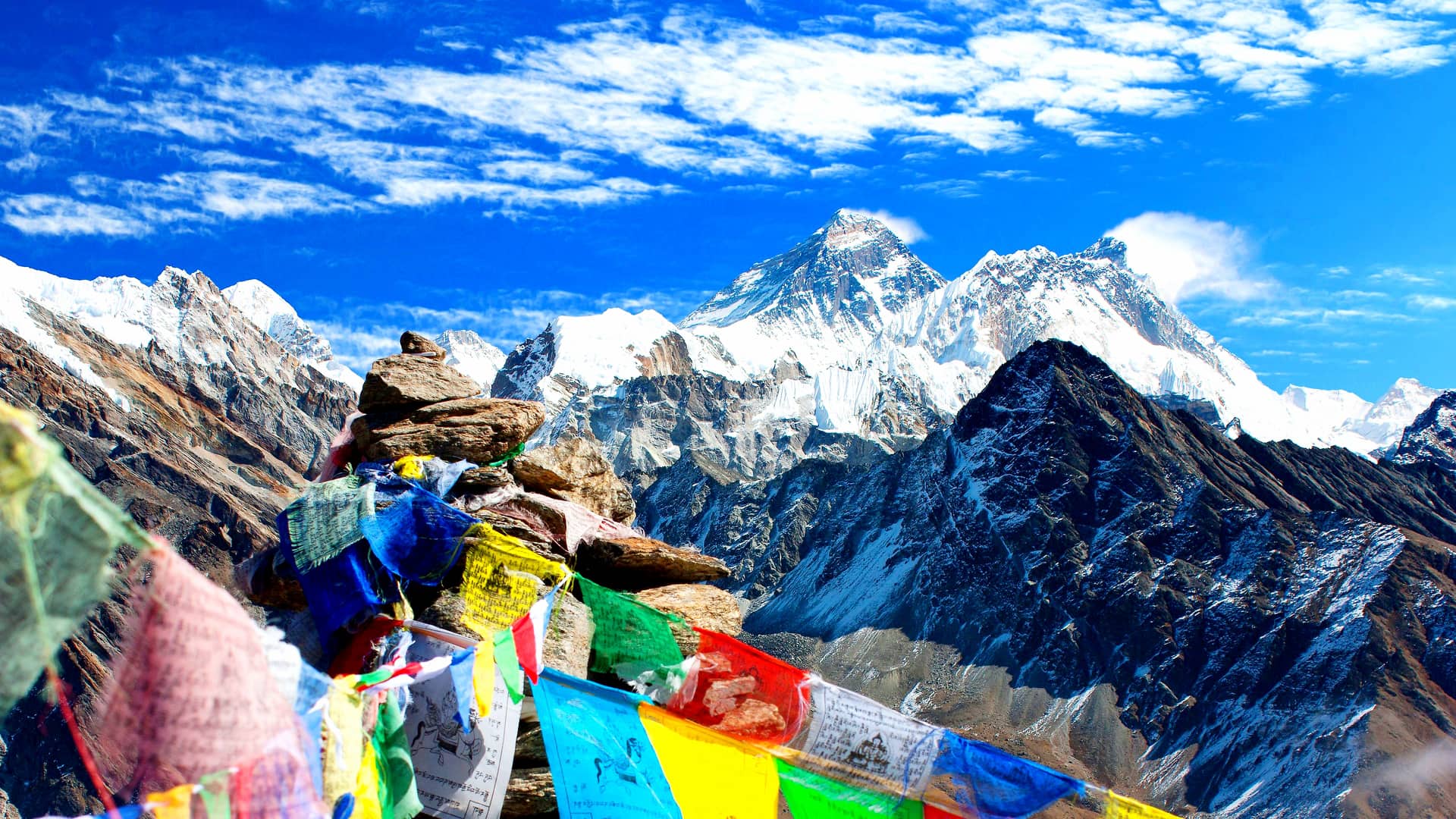
Nepal packs eight of the world's ten highest peaks, dense lowland jungle, and some of the oldest living spiritual traditions on the planet into a country roughly the size of England. Most visitors land in Kathmandu and fan out from there — toward Everest and the Khumbu in the east, Annapurna and Pokhara in the west, or south to Chitwan's jungle for a change of pace from the mountains.
Best time to go
- October–November is peak season: clear skies, stable weather, and the best mountain visibility of the year.
- March–April is the second window — rhododendrons bloom across the mid-hills and temperatures are milder at altitude.
- December–February is viable for lower-altitude treks but expect cold nights above 3,000m.
- June–September is monsoon — trekking is possible in Nepal's rain-shadow regions (Upper Mustang, Dolpo) but not recommended elsewhere.
Getting around
Domestic flights connect Kathmandu to Lukla (for Everest region treks), Pokhara (for Annapurna) and Bharatpur (for Chitwan). Mountain flights are weather-dependent — build a buffer day or two into any itinerary that depends on one.
Festivals worth planning around
Dashain (September/October) and Tihar (October/November) are Nepal's two biggest festivals — expect a livelier but busier Kathmandu, and some businesses closing for a few days.
Practical notes
A tourist visa is available on arrival at Tribhuvan International Airport for most nationalities. Trekking permits (TIMS card, and region-specific permits for areas like Annapurna and Everest) are arranged as part of any guided trip.